
Exploring DeepNude AI Free: Technology and Ethics in the Age of AI
In recent years, artificial intelligence (AI) has made significant strides, transforming various aspects of our daily lives. One of the most controversial applications of AI has been the development of image manipulation tools, such as deepnude ai free. While these technologies offer remarkable capabilities, they have also sparked heated debates regarding ethics, privacy, and consent. This article will delve into the world of DeepNude AI Free, examining its functionalities, potential uses, and the critical ethical questions it raises.
The Rise of Image Manipulation with AI
The advent of AI has revolutionized image processing, allowing for impressive alterations and enhancements that were once the domain of skilled human editors. Technologies like DeepNude AI Free use deep learning algorithms to generate realistic images by analyzing and manipulating existing ones. This kind of AI-powered image generation has grown in popularity for a range of applications, from entertainment to advertising. However, it also presents unique challenges, particularly regarding the boundary between creativity and the potential for harm.
How DeepNude AI Works
At its core, DeepNude AI Free relies on a neural network trained on an extensive database of images. This training enables the software to understand and replicate various aspects of human anatomy and clothing. Users can upload a photograph, and the AI will dynamically modify it—removing clothing layers while ensuring that the output maintains a sense of realism. The technology employs generative adversarial networks (GANs), which pit two neural networks against each other: one generates images, while the other evaluates their realism. This cycle of continuous improvement leads to the creation of hyper-realistic images that can sometimes be indistinguishable from authentic photographs.
Potential Uses of DeepNude AI
Despite its controversial nature, DeepNude AI Free has potential applications that go beyond mere entertainment or voyeurism. Some possible uses include:
- Fashion Industry: Designers could use AI to visualize clothing designs on models without needing actual photo shoots.
- Film and Animation: Filmmakers can create lifelike virtual characters or scenes, pushing the boundaries of storytelling.
- Virtual Reality: The technology may be applied in virtual reality settings for more immersive experiences, enhancing user engagement.
Ethical Concerns
The emergence of tools like DeepNude AI Free inevitably raises serious ethical dilemmas. Some of the most pressing concerns include:
- Consent: Manipulating images of individuals without their permission poses significant issues regarding consent. Users may create and share altered images of others, leading to potential harassment or invasion of privacy.
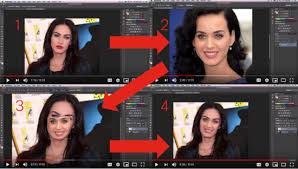
- Misrepresentation: AI-generated images can easily mislead people, blurring the line between reality and fabricated visual media.
- Impact on Self-Image: The use of such tools can contribute to unhealthy beauty standards and body image issues, particularly among vulnerable populations.
Regulatory Responses
In response to the ethical concerns surrounding AI image manipulation, various stakeholders have called for regulatory measures. Governments and organizations are beginning to address issues related to digital accountability, privacy rights, and the need for informed consent. Policies focusing on the responsible use of AI technologies are critical to mitigating the risks associated with platforms like DeepNude AI. Educational initiatives, both in schools and within the broader public, can also play a crucial role in promoting awareness of the dangers posed by manipulated images.
The Future of AI-Driven Image Tools
As AI technology continues to evolve, so too will its applications and implications. Developers of similar tools must find a balance between innovation and ethical responsibility. The future landscape of AI-generated imagery will likely involve enhanced safeguards to protect individuals’ rights, stricter regulations on the sharing of manipulated content, and a growing emphasis on ethical standards in tech development.
Conclusion
DeepNude AI Free epitomizes the dual-edge sword of AI-driven technology. While it opens avenues for creativity and innovation, it simultaneously challenges our understanding of ethics, privacy, and consent. Stakeholders in technology, law, and society must collaborate to create frameworks that respect individual rights while harnessing the transformative power of AI for good. The dialogue surrounding these technologies is essential as we navigate an increasingly digital world, ensuring that advancements serve humanity rather than undermine it.