
Welcome to Our Forex Trading School
Are you interested in learning how to trade currencies and seize profit opportunities in the foreign exchange market? Our forex trading school LATAM Trading Brokers provide an excellent framework for developing your trading skills. In this article, we will explore the essential components of forex trading, strategies that can enhance your trading experience, and how you can utilize our resources effectively.
Understanding Forex Trading
Forex trading, or foreign exchange trading, involves the buying and selling of currencies on the global market. The forex market is the largest and most liquid financial market in the world, with daily trading volumes exceeding $6 trillion. It operates 24 hours a day, five days a week, allowing traders to engage in trading activities across different time zones. The primary aim of forex trading is to profit by predicting currency price movements.
Why Choose Forex Trading?
There are several reasons why individuals may choose forex trading over other forms of investment:
- Liquidity: The forex market offers high liquidity, meaning traders can enter and exit positions quickly.
- Accessibility: Forex trading is accessible to everyone with an internet connection, allowing for open participation.
- Leverage: Traders can utilize leverage, which allows them to control larger positions with a smaller amount of capital.
- Diverse Trading Opportunities: With numerous currency pairs to trade, traders can find many opportunities to profit.
Getting Started with Forex Trading

Starting your forex trading journey doesn’t have to be overwhelming. Here are some steps you can follow to get started:
- Educate Yourself: Learn the basics of forex trading, including terminologies and concepts such as pips, spreads, and currency pairs.
- Choose a Trading Style: Identify your trading style—scalping, day trading, or swing trading—that best fits your personality and goals.
- Select a Reputable Broker: Choose a broker who provides a trustworthy trading environment. Our partners, like LATAM Trading Brokers, offer excellent resources for beginners.
- Practice with a Demo Account: Utilize demo accounts offered by brokers to practice trading without risking real money.
- Develop a Trading Plan: Create a well-defined trading plan that outlines goals, strategies, and risk management techniques.
Forex Trading Strategies
Mastering various trading strategies is key to becoming a successful forex trader. Here are some popular forex trading strategies:
1. Trend Following
Trend-following strategies focus on identifying and trading in the direction of the prevailing market trend. Traders use technical indicators, such as moving averages and trend lines, to determine the current trend and make informed entry and exit decisions.
2. Range Trading
Range trading strategies involve identifying price ranges where a currency pair has historically traded. Traders buy near the bottom of the range and sell near the top. This strategy is particularly effective in sideways markets.
3. Breakout Trading
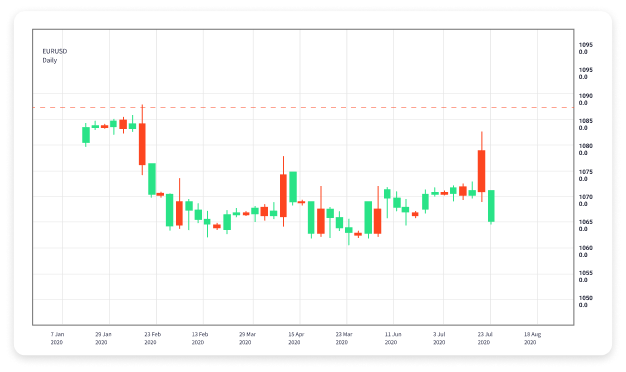
Breakout trading involves taking positions when the price breaks through established support or resistance levels. This strategy allows traders to capture significant moves in price following the breakout.
4. Fundamental Analysis
Traders who employ fundamental analysis study the economic indicators, news events, and political developments that may affect currency prices. Understanding economic data releases can provide valuable insights into potential price movements.
Risk Management in Forex Trading
Risk management is a crucial aspect of forex trading that can mean the difference between success and failure. Here are several key principles for effective risk management:
- Set a Risk Tolerance: Determine how much capital you are willing to risk on each trade, typically expressed as a percentage of your total trading account.
- Use Stop-Loss Orders: Employ stop-loss orders to automatically close losing trades at predetermined levels to minimize losses.
- Diversity Your Portfolio: Avoid putting all your capital into one currency pair. Instead, diversify your trading portfolio to spread risk.
- Keep Emotions in Check: Make decisions based on analysis and logic rather than emotions, which can lead to impulsive actions and losses.
Conclusion
Forex trading is an exciting yet challenging endeavor that requires knowledge, skill, and practice. Our Forex Trading School is here to guide you every step of the way as you embark on this journey. By educating yourself, developing a robust trading strategy, and practicing sound risk management principles, you can increase your chances of success in the forex market. Remember, the key to becoming a successful forex trader lies in continuous learning and adapting to the ever-changing market conditions.
Join our community of traders today and start mastering the art of forex trading!